TEACH-IN SCHEDULE
A full day of panels, workshops and skill shares from organizers, researchers and front-line activists - all at OCAD University, 100 McCaul St, Toronto.
Free to attend - PWYC donation optional
Childcare is available from 9am to 4pm in Room 488.
8:30 – 9:00am
8:30 – 9:00am
Registration
Main Lobby
Doors open and registration begins. Coffee, fruit and snacks available all day in the Great Hall.
9:00 – 10:30am
9:00 – 10:30am
Opening Plenary: Understanding the Carney Agenda
Auditorium, Room 190
Chaired by Rachel Gilmore
- Samira Moheyddin - journalist, host of On the Line
- Sarom Rho - Migrant Workers Alliance for Change
- Janelle Lapointe - David Suzuki Foundation
- Kevin Skerrett - Carleton University
- Paris Marx - author, host of Tech Won’t Save Us
10:30am – 12:00pm
10:30am – 12:00pm
Block 1: Understanding the Moment & Movement History
Fracking, LNG and gas-powered datacentres: How the Carney government is advancing the American Energy Dominance agenda
Room 542
Kai Nagata (Dogwood), Atiya Jaffar (350.org), and Emiko Newman (BC Climate Emergency Campaign)
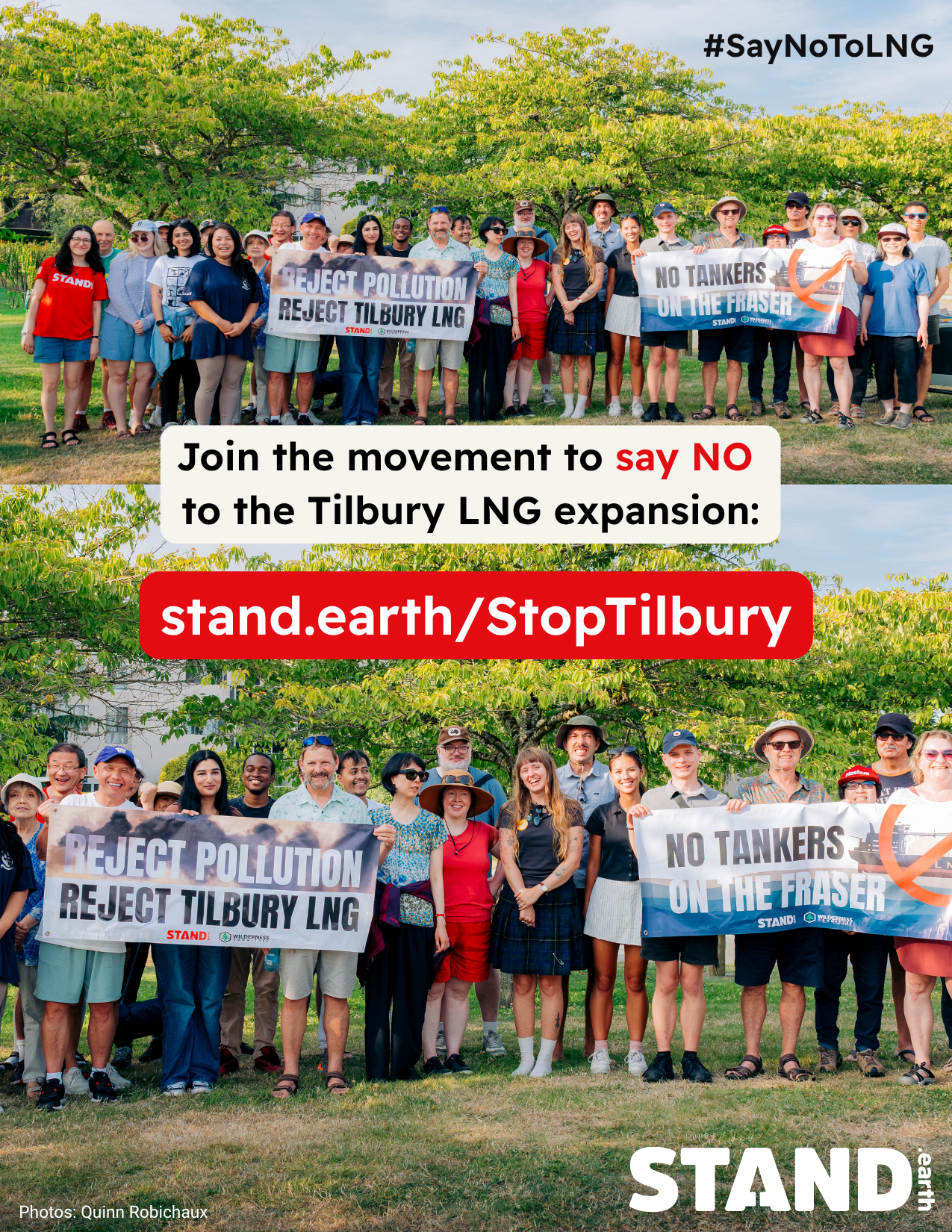
Despite his “elbows up” election pitch, since forming government Mark Carney has prioritized the interests U.S. billionaires over Indigenous rights, climate action, and affordability for Canadian families. Nowhere is this more clear than in the energy sector, where Carney is using public money and state power to advance largely American-owned oil and gas projects, all while gutting environmental regulations. “We’re excited to help America achieve energy dominance,” minister Tim Hodgson told U.S. cabinet secretaries in Houston, Texas this spring. He was referencing the Trump administration doctrine that seeks to control global energy flows through a combination of unfettered fossil fuel expansion in North America, and military intervention in other oil and gas exporting countries. Carney claims that these decisions are in our "national interest", but whose interests are really being prioritized? Join us for a discussion about LNG projects, zombie pipelines, Epstein and Trump-aligned MAGA billionaires, the new addition of AI data centre expansionism hell, and the largely Indigenous-led resistance that has been fighting back.
Fighting Carney's Food Insecurity Strategy
Room 264
National Farmer’s Union, featuring Dave Thompson, Sarah Marquis, Jacob Kearey-Moreland, Lily Phan, and Madeleine Fournier.
This panel presentation will show how the Carney government is accelerating the corporate capture of our food system and agricultural sector and how this relates to larger patterns of withdrawal from climate change commitments, false nation-building proposals, and the greater imposition of austerity, deregulation, and privatization across Canadian society. We will cover issues like the 2026 decimation of public agricultural research stations, Bill C-30, which severely rolls back pesticide laws and weakens oversights of food safety, and the omissions and inadequacies of the recently announced National Food Security Strategy. This panel will be action-oriented and explore how eaters and farmers can fight back against a government that is choosing international trade over local production, pipelines over healthy soils, and bombs over food.
The Mining-Military Complex in Canada and Latin America
Room 441
Mining Injustice Solidarity Network and Common Frontiers, with Speakers/Facilitators: Kara Anderson, Morgan Crosby, Merle Davis, Romi Fischer-Schmidt, Caren Weisbart
Toronto is home to the majority of the world’s mining companies and is a centre for global mining investment. This participatory workshop highlights some of the mechanisms through which Canadian investments are protected, the connections between mining and militarization and how democracy, sovereignty, Indigenous rights and environmental protections are undermined in an industry that favours corporate profit over all else. We share stories from resistance struggles and highlight calls to action that we can take in the belly of the beast.
Meet the Investment Summit’s Co-Host: The Canada Pension Plan, its Fossil Fuel Investments, and the Climate Crisis
Room 656
With SHIFT, OPSEU, and Environmental Defence; Simon Archer (Pension Counsel, Goldblatt Partners); Giulia Volpe (Ontario Public Service Employees Union); Alex Walker (Environmental Defence Canada); Michael Sambasivam, energy researcher; Patrick DeRochie (Shift Action)
This 90-minute panel examines the legal and structural nature of Canadian pension funds as financial institutions, including how they're designed, what constraints they operate under, and why their investments so often harm workers, communities and the climate. Despite managing retirement savings for millions of Canadians, pension funds operate under legal frameworks that systematically prioritize financial interests over others. Understanding these legal mechanics reveals why pension funds—including summit co-host the Canada Pension Plan Investment Board (CPPIB) – often invest our retirement savings in ways that privatize public services and infrastructure and expand and prolong the use of oil and gas. By focusing on this narrow financial mandate, our pension funds are undermining our collective retirement security and creating harm for our communities and climate. The panel will begin with a legal overview of pension fund governance and the constraints trustees face, followed by case studies examining how these structures play out in practice: through the privatization of public services and infrastructure privatization, investments in environmentally and socially harmful fossil fuel projects (like the proposed West Coast Pipeline, Ksi Lisims LNG, and LNG Canada), and CPPIB's specific failures on climate despite facing a lawsuit from young Canadians. With CPPIB serving as a co-host of the investment summit, this panel provides context for understanding the contradictions of pension fund capitalism and the need for our pension funds in long-term climate stability.
Stop Crying on the Shoulder of the Guy Who Took Your Land: Indigenous Struggle and the Legacy of Arthur Manuel
Room 650
Tiny House Warriors with Kanahus Manuel, Russ Diabo
This workshop is jointly presented by Kanahus Manuel the daughter of Arthur Manuel and a long-time land defender and water protector as a founder of Tiny House Warriors who fought against the TMX Pipeline, and Russ Diabo a close friend of Arthur Manuel and a long-time advocate for First Nations rights, policy analyst and spokesperson for the Truth Before Reconciliation Education and Advocacy Network. The workshop will focus on the legacy of Arthur Manuel as a national and international leader for Indigenous rights and founder of the Indigenous Network on Economy and Trade, which focused on how the denial of Aboriginal title and Treaties constituted an unfair trade subsidy for Canada's economy. The workshop will also focus on Arthur Manuel's Six Point Decolonization Program. There will also be discussion of the upcoming National Day of Action to coincide with the October 26th First Nations-First Ministers' Meeting to be held in Ottawa and the relevance of the work of Arthur Manuel to the issues of that meeting agenda.
Understanding and Resisting Attacks on Migrants
Room 543
Migrant Workers Alliance for Change
Canada is carrying out a massive rollback of migrant rights: as many as 2 million people may be forced out by the end of 2027, more than 22,500 people were deported in 2025, parent and grandparent sponsorship has been shut down indefinitely, Canada is receiving roughly a third as many asylum claims as two years ago, refugee health care has been cut, and 5 of 10 Alberta separationist reference questions are about immigration. This workshop will unpack what is changing, how migrants are being scapegoated to distract from corporate power and responsibility, and why these attacks affect us all. Participants will hear from migrant organizations on the frontlines of resistance - from farm workers organizing in the 60th year of the Seasonal Agricultural Worker Program, to migrant students resisting permit rejections, refugees fighting health-care cuts, sex workers organizing, and others across the country.
Defending the Attawapiskat River and all its Relations: Resistance to Critical Minerals Mining in the Ring of Fire
Room 230
Neskantaga and Attawapiskat First Nations
We will be screening Forensic Architecture’s newest investigation video, Mapping Extractive Frontiers in the Ring of Fire (35 min), followed by a conversation with land defenders from Neskantaga First Nation. We will discuss how the critical minerals rush is being fuelled by massive public subsidies for mineral exploration in Treaty No.9 even as remote Anishinaabe communities there are subject to ongoing states of emergency due to chronic state underfunding of basic community services, including safe drinking water. But even as Premier Ford and Prime Minister Carney try to carve the Ring of Fire out as a special economic zone where environmental and heritage laws don't apply, Indigenous inherent jurisdiction survives.
Alternatives to Trump and Carney
Room 642
The Socialist Project, with Herman Rosenfeld and Corvin Russell
Presentation and facilitated participant discussion about Trump and Carney’s policies, strategic goals and social base, the openings and challenges the present moment provides and the shorter- and longer-term forms of resistance, goals and alternatives for Canadian working people and eco-socialists. Examples will look at the Green Jobs Oshawa experience and others.
12:00 – 1:00pm
12:00 – 1:00pm
Lunch & Caucuses
Great Hall
1:00 – 2:30pm
1:00 – 2:30pm
Block 2: Skill Share & Art Builds
Water is Life Art Challenge - Silkscreening Workshop
Room 240
Justseeds Artists' Cooperative & Council of Canadians
A live silkscreening session taking place as part of the larger WATER IS LIFE ART CHALLENGE that the Council of Canadians is facilitating in partnership with educators, researchers and artist members of the Justseeds artists' cooperative.
Writing & Resistance: A Workshop on Political Writing and Letters to the Editor that Get Published
Room 544
Upping the Anti (Sharmeen Khan), Desmond Cole (The Breach), and Ray Nakano (Climate Fast)
A workshop and skillshare on the why and how's of political writing for editorials that will get published, blogs posts, articles in order to change the world. After going through the fundamentals, participants will write an LTE of their own and submit it for publication to a major newspaper.
Keeping Each Other Safe: Security for Actions and Movements
Room 264
Kai Nagata (Dogwood), Rachelle Friesen (Community Peacemaker Teams) & guests
Amid rising violence from police, vigilantes and organized white supremacists, social movements face increased challenges in ensuring safety for leaders, volunteers and grassroots people who answer our calls to participate in action for social and environmental justice. Drawing on experiences on the front lines of Indigenous land defence, Palestine solidarity actions and other magnets for surveillance and repression, we'll offer some strategies and support for improving safety and security. We'll touch on nervous system regulation, training and conditioning, teamwork and communication, event design, crisis response, trauma and healing.
Nonviolent Civil Disobedience & Other Strategies
Auditorium, Room 190
Facilitated by Faith and Climate Action
An introduction to the purpose, philosophy, and practice of nonviolent civil disobedience as applied to environmental social justice and climate causes.
Tracing Canadian complicity in the 2009 Tamil Genocide: Weapons Tracking How-To
Room 542
Tamil Feminist Collective
Tracing Canadian complicity in the 2009 Tamil Genocide: Tamil Feminist Collective's recent report on weapons-tracking.
Art Build: Good Work and Climate Justice
Room 543
Change Course, Common Horizon, and Youth Climate Corps
We will start by discussing the current crisis of bad work and the way that Carney's continued privatization of public goods is making everything worse. Then, we'll make banners, posters, and other artwork that can be used throughout Carney's investor summit and beyond. No art skills needed - all are welcome! Paint a banner, screen print posters, and get creative with us!
Moving beyond mobilization towards organizing through act-recruit-train cycles
Room 656
Organizing Exchange with Robin Tress
To build movements and campaigns strong enough to confront corporate power and hold our government accountable, we must commit to building lasting people power through organizing. In this workshop, we are introducing the act-recruit-train cycle, a key tool in helping organizers integrate action, recruitment, and training into their campaign plans to engage a growing number of supporters and deepen their skills and participation. We will learn from examples of campaigns that apply the cycle effectively, and practice developing them in your own campaigns.
2:30 – 2:45pm
2:30 – 2:45pm
Break
2:45 – 4:15pm
2:45 – 4:15pm
Block 3: Campaigns & Making Change
Youth Climate Corps: How We Won, and How We Win Again
Room 542
Youth Climate Corps with Bushra Asghar and Sadie Quinn
This action-oriented workshop starts with our story, how we've won before and where our organizing stands today on climate change and youth unemployment. From there, we'll walk through the concrete ways to get involved, whether that's organizing a brunch, a house meeting, or signing onto our Open Letter. Participants will take action together by writing letters to their MPs, and close out the session with a hands-on screen printing activity. Bring your own shirt or tote bag to print on-site. It's designed to move people from hearing the vision to taking a first concrete step, all in one sitting.
Civil Society Hub on Tech Justice Presents: You Are Here Now - An interactive session on power and intervention in the AI industry
Room 652
Council of Canadians
This session maps power in the AI buildout, from extraction and chip manufacturing through to the data centre decisions being made close to home. Participants will identify key actors and power in the system, then test potential interventions. We'll build a strategy through interactive discussion and sharing resources. Participants will also have the opportunity to connect with members of the Civil Society Hub for Tech Justice, and learn about how to take part.
Housing is a Right, Not an Asset: Organizing Against Corporate Landlords
Room 650
Toronto Tenant Union (An Pham, Nikolai McLeod)
Financial landlords treat housing as an asset to extract from, not a home. This session pairs the human rights case for the right to housing with the on-the-ground tactics tenants are using to fight back against corporate landlords and investors. The Shift will break down how housing became financialized, who profits, and what the right to housing demands of governments. TTU will share concrete organizing tactics that build tenant power and win campaigns against landlord investors. Participants leave with both the analysis to name the problem and the tools to act on it.
Lessons from the Cultural Front & Arms Embargo Now - Elbit out of Canada
Room 656
No Arms in the Arts, with Michael DeForge and Sukaina Kubba; Palestinian Youth Movement - Toronto, with Adham Diabas & Somar Abuaziza
This session will give an in-depth understanding of the Arms Embargo Now Campaign and the No Arms in the Arts Campaign against Scotiabank. We will go over the timeline, tactics, theory of change, the strategy organizers have deployed to mobilized nationally over the past years, addressing setbacks and we’ll discuss the groundwork and research that helped, with a focus on the new phase and how people can be involved in it.
Building Movements to Beat the Far-Right
Auditorium, Room 190
Organizing Exchange and Building Power Network
In a moment of deep polarization and political rupture, the transformation we need can feel out of reach. But we’ve won before—and people-powered movements have always been at the heart of progressive change.This workshop offers a grounded look at the rising far-right and populist right in so-called Canada: how they are funded, how they shape public discourse, and how they use disinformation and fear to normalize nationalist and white supremacist ideas.We’ll draw on the history of movement victories and social movement theory to understand the current moment, map the ecosystem of movements, and explore where we fit. Most importantly, we’ll dig into how we can build a broad, powerful base movement capable of taking on the 1%—and winning. In this workshop, we will ground ourselves in past movement wins, explore the current moment of political rupture, and dig into the complex ecosystem that makes up a social movement and where you fit in. Together we will pull from the rich history of struggle and social movement theories to orient our struggle towards building a broad base movement that can take on the 1%, and win.
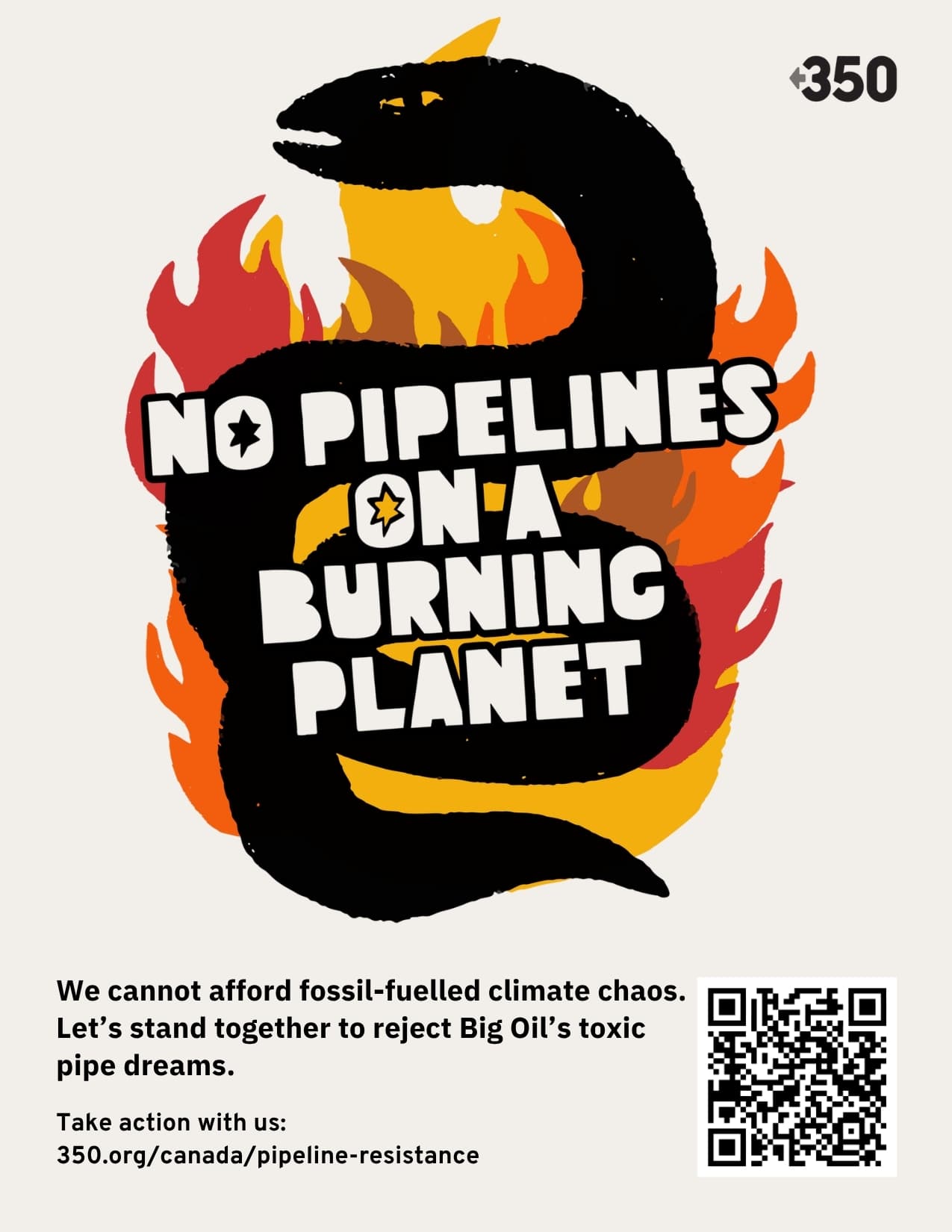
Confronting the Colonial Nation-Building Project through Solidarity with Indigenous Resistance & No Pipelines on a Burning Planet
Room 441
350.org and Decolonial Solidarity
All summer, communities across the country experienced the devastating impacts of the climate crisis. Meanwhile, Carney pours fuel on the flames by expanding fossil fuel production and capitulating to Big Oil’s every wish. The federal government’s actions – from a taxpayer-funded West Coast Bitumen Pipeline to the gutting of key environmental protections and climate regulations – will rapidly accelerate the climate emergency if we don’t fight back. In the face of wide ranging federal and provincial government attacks on public services, migrant rights, worker power, Indigenous sovereignty and the health of the lands and waters we all depend on, it’s hard to know where to focus and how to build up a strong resistance. In this workshop, 350 Canada organizers and Decolonial Solidarity will work with participants to map out and plug into tactics that add momentum behind the “No Pipelines on a Burning Planet” campaign, and identify strategies for bringing this information back to your group or organization and helping people draw connections between your struggle and that of Indigenous peoples with Decolonial Solidarity.
What Militarism Costs Us: Austerity and the Fight for Our Public Services
Room 230
Council of Canadians, Canadian Association of Professional Employees (CAPE), Spring Socialist Network, Ontario Health Coalition
Mark Carney has initiated an unprecedented military build-up, one that will have lasting consequences for public services if not stopped. This panel will look at the threat that Carney's militarism poses and hear how teachers, healthcare workers, federal civil servants and their allies are fighting back. Speakers: Nik Barry-Shaw (Council of Canadians), Masha Davidovic (CAPE), Vickita Bhatt (Peel Elementary Teachers Local), Peter Hogarth (PETL and Spring), Tyler Delmore (Stop the War Bank Campaign), TBC (Ontario Health Coalition)
Movements & Parties: Can the NDP become an effective arm of movements?
Room 544
Martin Lukacs (The Breach), Bruno Dobrusin (Toronto Tenants Union), Syed Hussan (Migrant Workers Alliance for Change), Deena Newaz (Spring Socialist Network), and Krysta-Lee Woodcock (Courage)
The federal New Democratic Party now has a democratic socialist leader and a bold political program. How should leftists respond to this new reality and its opportunities and challenges? This panel will hear different perspectives from tenant, migrant justice, labour, and socialist organizers on what a movement-oriented NDP could look like, how the party can help movements take on the Carney agenda, and what the left can do next.
Making the Transition Just: Indigenous-led Jurisdiction in Climate Solutions (Sacred Solar and Indigenous Climate Action)
Room 264
Serena Mendizabal (Sacred Earth Solar) and Carole Monture (Indigenous Climate Action)
In the face of accelerating climate collapse, there is a clear need to move away from ecologically harmful, non-renewable energy systems. Indigenous jurisdiction and models of governance provide a viable alternative to the colonial leadership investing in our collective destruction. Sacred Earth and Indigenous Climate Action will hold a candid conversation around our current stark, shared realities, and the necessary reflections, tools, and action to move our communities forward in a way that is safe, healthy, and dignified.
4:30 – 6:00pm
4:30 – 6:00pm
Closing Plenary & Resistance Concert
Auditorium, Room 190 / Grange Park